
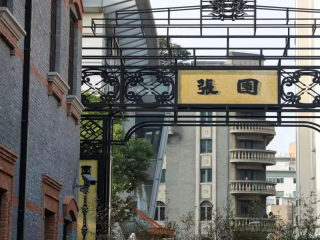
"historic building"
400 article(s) found

Introduction to the Historical taste and Flavor of Guatemalan Coffee Bean varieties
Following caf é (Wechat official account vdailycom) found that the beautiful coffee shop opened a small shop for Guatemalan coffee varieties. Guatemalan coffee beans are mostly cultivated in high-altitude volcanic soils belonging to the most advanced Arabica (Arabica) varieties. Due to the long ripening period, the beans are medium and dense (Guatemalan coffee beans are rated not by particle size).
Blue bottle coffee is really good! The third store opens here!
Professional coffee knowledge exchange more coffee bean information please follow the coffee workshop (Wechat official account cafe_style) more boutique coffee beans please add private Wechat Qianjie Coffee, WeChat: qjcoffeex according to the official Blue bottle Coffee account, the third store in mainland China is still located in Jing'an District

What is Blue Bottle Coffee? A Blue Bottle Coffee Start-up Story from a Cart
Professional coffee knowledge exchange More coffee bean information Please pay attention to coffee workshop (Weixin Official Accounts cafe_style) Legend has it that at the end of the 17th century, Turkish troops swept through most of Eastern and Central Europe and arrived in Vienna in 1683. The Viennese, desperate for an apostle, crossed the Turkish line to the Polish army nearby and spoke Turkish and Arabic.

% Arabica opened the store in the apartment?! Vietnam's first% Arabica store opens in Ho Chi Minh City
It is not uncommon for coffee chains to open branches in metropolitan areas, but it is the first time to hear about dilapidated apartments in downtown areas. What is the origin of this old building? Recently, the official account of the well-known coffee brand% Arabica has been released, and the first branch of the Vietnamese coffee market has been stationed in Ho Chi Minh City.

The History of Coffee in China
According to historical data, Taiwan was first planted successfully in 1884. Coffee trees were planted in China. Coffee cultivation in China began in Yunnan. In 1902, seeds introduced by a French missionary named Tian were planted successfully in Binchuan County, Yunnan Province. Commercial cultivation of Yunnan coffee began in 1985, but it has grown

Drinking coffee in North Africa
Due to work, I went on a business trip to Algeria, North Africa, and took the opportunity to experience the coffee culture of the second largest country in Africa. Algeria was ruled by Rome, Byzantium, Turkey, Arabia and France in its history. There is a blend of various cultures, and most of the buildings are European-style buildings, walking on the streets, if not for the occasional mosque.

Description of the flavor of Guatemalan coffee, the historical origin of Guatemalan coffee
Following Ka Pai (Wechat official account vdailycom) found that Beautiful Caf é opened a small shop of its own when you were in Guatemala, close to the remote and ancient Mayan civilization, unique folk songs of the American continent were heard and the beautiful scenery of volcanoes, lakes and ruins mingled with each other, where you experienced a different American style. But if you want to make the dangerous land

Pu'er Coffee Industry Development Office was established on July 26.
Pu'er Coffee Industry Development Office established and unveiled in Pu'er Tea Industry Bureau, and then held a 2012 coffee industry development conference in Pu'er City. The establishment of the Coffee Industry Development Office marks that more than 100,000 coffee farmers and dozens of coffee enterprises in Pu'er have their own families, which has laid a solid organizational foundation for Pu'er to build the brand of China's coffee capital.

The historical origin of Colombian coffee beans and the introduction of their flavor?
Colombian coffee bean flavor Colombian coffee has a silky taste. Colombian coffee is equated with high quality and good taste. It is sweet in acid, low in bitterness, rich in nutrition, with a unique sour and mellow taste, and the sour, bitter and sweet flavors of Colombian super coffee match well. The unique fragrance, after drinking, the fragrance fills the whole

A super special coffee shop! Another museum of Kyoto Culture Museum, "Maeda Ka Po Shop"
Exchange of professional baristas follow the coffee workshop (official Wechat account cafe_style) the first thing that comes to mind when you hear of Kyoto is the gentle wind buildings such as temples, Buddhist pavilions, etc. However, the modern western-style architecture which is both retro and gorgeous is also very interesting. One of the representative modern foreign-style buildings in Kyoto is the Kyoto Culture Museum, which is located on three main roads (three links). It is a building

On the History of Coffee in China
According to historical records, coffee trees were first planted in Taiwan in 1884, and coffee cultivation in mainland China began in Yunnan. In 1902, a French missionary named Tian introduced seeds from Yinggong County in Binchuan County, Yunnan Province. it was successfully planted in a place called Zhu Kula, which is located on the bank of the Yushan River, a tributary of the Jinsha River. The commercial cultivation of coffee in Yunnan began in 1985, but its development is slow.

Basic knowledge of fine coffee in Chinese coffee history
According to historical records, coffee trees were first planted in Taiwan in 1884, and coffee cultivation in mainland China began in Yunnan. In 1902, a French missionary named Tian introduced seeds from Yinggong County in Binchuan County, Yunnan Province. it was successfully planted in a place called Zhu Kula, which is located on the bank of the Yushan River, a tributary of the Jinsha River. The commercial cultivation of coffee in Yunnan began in 1985, but its development is slow.
Chinese Coffee Development Market Yunnan Ning'er builds two coffee estates
From Simao, go north along the Mosi highway to Laomaqing, get off the stinky water toll station, and then go north for 3 kilometers to the old Ma Tiantian Coffee Manor. The ecological environment here is good, and a stream flows down from the dense forest. Walking in the coffee garden, the breeze caresses and the cherry blossoms dance, which makes people feel very comfortable. In winter, the coffee fruit and cherry blossoms are red and beautiful. The area of coffee in the county has exceeded 10.
Common sense of Coffee History Coffee handed down in China
According to historical records, coffee trees were first planted in Taiwan in 1884, and coffee cultivation in mainland China began in Yunnan. In 1902, a French missionary named Tian introduced seeds from Yinggong County in Binchuan County, Yunnan Province. it was successfully planted in a place called Zhu Kula, which is located on the bank of the Yushan River, a tributary of the Jinsha River. The commercial cultivation of coffee in Yunnan began in 1985, but its development is slow.

The spread of Coffee in China Chinese Coffee Culture History
According to historical records, coffee trees were first planted in Taiwan in 1884, and coffee cultivation in mainland China began in Yunnan. In 1902, a French missionary named Tian introduced seeds from Yinggong County in Binchuan County, Yunnan Province. it was successfully planted in a place called Zhu Kula, which is located on the bank of the Yushan River, a tributary of the Jinsha River. The commercial cultivation of coffee in Yunnan began in 1985, but its development is slow.

Chinese Coffee History Coffee Development History of Coffee in China
According to historical records, coffee trees were first planted in Taiwan in 1884, and coffee cultivation in mainland China began in Yunnan. In 1902, a French missionary named Tian introduced seeds from Yinggong County in Binchuan County, Yunnan Province. it was successfully planted in a place called Zhu Kula, which is located on the bank of the Yushan River, a tributary of the Jinsha River. The commercial cultivation of coffee in Yunnan began in 1985, but its development is slow.

Understand the development history of coffee in China
According to historical data, Taiwan's cultivation was successful for the first time in 1884. Coffee trees were planted in China, and coffee cultivation on the continent began in Yunnan. In 1902, seeds were introduced by a French missionary named Tian in Yingong, Binchuan County, Yunnan Province. it was successfully planted in a place called Zhu Kula, which is located on the bank of the Yushan River, a tributary of the Jinsha River. The commercial cultivation of coffee in Yunnan began in 1985, but it has grown.

The History of Coffee in China the history of coffee in China
According to historical records, coffee trees were first planted in Taiwan in 1884, and coffee cultivation in mainland China began in Yunnan. In 1902, a French missionary named Tian introduced seeds from Yinggong County in Binchuan County, Yunnan Province. it was successfully planted in a place called Zhu Kula, which is located on the bank of the Yushan River, a tributary of the Jinsha River. The commercial cultivation of coffee in Yunnan began in 1985, but its development is slow.

The spread of Coffee in China China's own unique coffee culture
According to historical records, coffee trees were first planted in Taiwan in 1884, and coffee cultivation in mainland China began in Yunnan. In 1902, a French missionary named Tian introduced seeds from Yinggong County in Binchuan County, Yunnan Province. it was successfully planted in a place called Zhu Kula, which is located on the bank of the Yushan River, a tributary of the Jinsha River. The commercial cultivation of coffee in Yunnan began in 1985, but its development is slow.
Development of Coffee Industry in Simao District
Shenjiu flew into the sky and attracted worldwide attention. The three kinds of seeds of Simao pine, big-leaf tea and small-grain coffee carried in Pu'er city have entered into space, marking a new milestone in Pu'er coffee breeding. In the face of the central western development strategy and the historical opportunity of Yunnan Province to build a strong green economy province, there are a series of opportunities around Pu'er to build a national green economy experimental and demonstration zone and to build a coffee capital of China.